

Electrical Planning Report Deadlines – What Your Strata Needs to Know
If you sit on a strata council in British Columbia, there is a firm compliance clock ticking on your building’s electrical system. Here is a concise, timeline-focused guide to help your strata corporation meet its electrical planning report deadlines without last-minute stress.
Key Takeaways
-
Most strata corporations with five or more strata lots in Metro Vancouver, Fraser Valley and the Capital Regional District must have a completed electrical planning report EPR by December 31, 2026.
-
Strata corporations located in all other regions of BC must complete their EPR by December 31, 2028.
-
New strata corporations established after December 31, 2023, have five years from the deposit date of their strata plan to obtain an EPR.
-
An EPR is a permanent record, similar to a depreciation report, and is legally required before most EV charging and EV ready plan decisions can proceed.
1. What Is an Electrical Planning Report (EPR) and Who Needs One?
An electrical planning report is a professionally prepared assessment of your strata corporation’s electrical system. It documents existing electrical capacity, current electrical capacity utilization, and peak electrical demand, then forecasts future demands such as increased electrical demand from EV charging stations, the desire to install heat pumps, and other electrification trends. EPRs must include main service size and capacity details, along with recommendations for electrical upgrades or load management.
Strata corporations with five or more lots must obtain an EPR under the Strata Property Act and its regulations. This applies to townhouses, apartment towers, mixed-use condo towers, and other complex buildings across BC. Strata corporations cannot vote to waive the requirement for the electrical planning report.
How an EPR differs from related documents:
-
A strata electrical planning report looks at the building’s electrical system capacity and future electrical needs across the entire electrical system.
-
An ev ready plan focuses specifically on EV charger strategy, conduit routing, and load management for ev charging.
-
A depreciation report covers long-term capital planning for all major building systems, not just electrical.
Only designated BC professionals can complete an EPR. Effective October 27, 2025, the list of qualified professionals expanded. EPRs must be prepared by licensed electrical engineers or electricians. For larger Part 3 buildings, the report must come from a professional electrical engineer or an applied science technologist (science technologists registered in BC). Journeyperson electricians can prepare EPRs for Part 9 buildings only. Always confirm your provider holds the correct credentials.
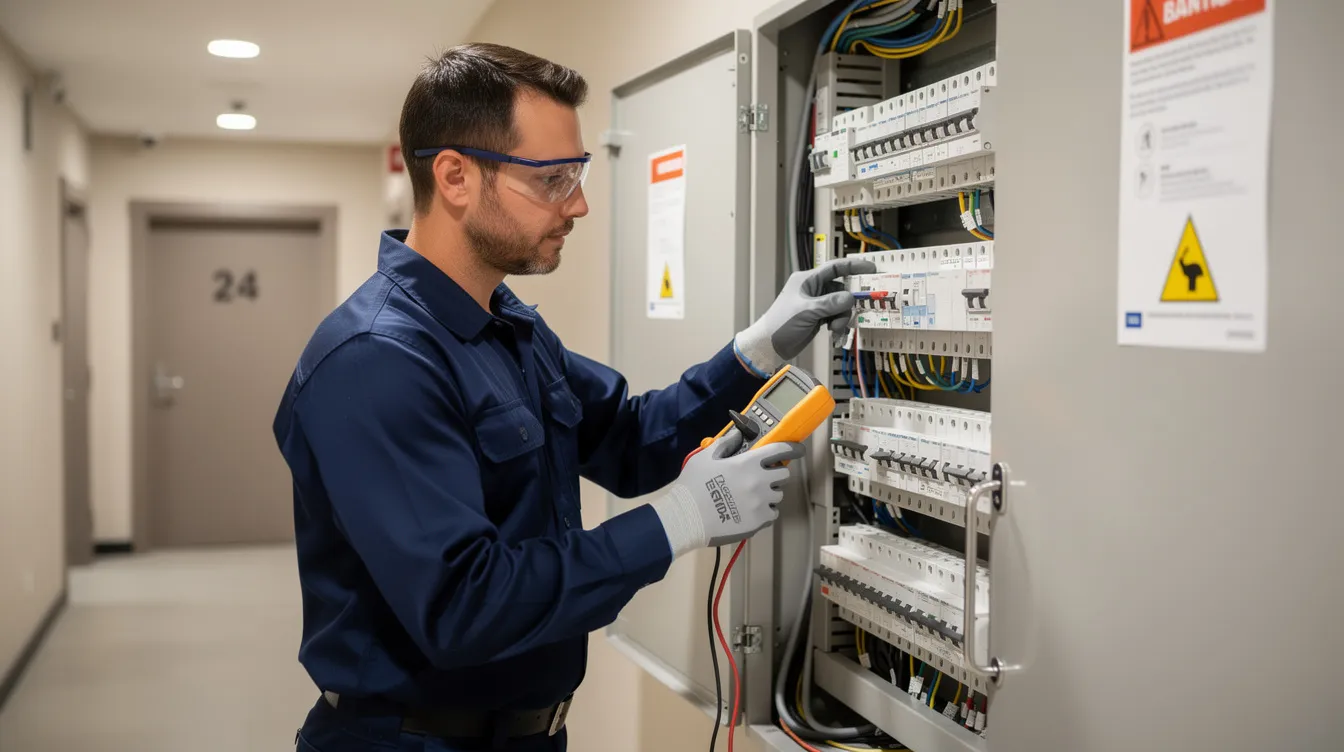
Once completed, the EPR becomes a permanent record of the strata corporation. It must be disclosed on Form B during property sales, which is why accuracy and future-proof recommendations matter for every owner. The report provides recommendations for electrical system upgrades and is required to avoid overloading electrical systems as electrification accelerates
2. EPR Deadlines in BC – Exact Dates and How to Read Them
This section is the heart of the article. Here is exactly when your strata’s electrical planning report is due, depending on location and building age.
Regional deadlines for strata established before December 31, 2023:
-
December 31, 2026 – Strata corporations in the Metro Vancouver Regional District (excluding islands accessible only by air or boat, such as Bowen Island), the Fraser Valley Regional District, and the Capital Regional District (excluding the Southern Gulf Islands and other islands only reachable by air or water).
-
December 31, 2028 – Strata corporations in all other regions of BC, including the BC Interior, Vancouver Island outside the CRD, Sea-to-Sky, Sunshine Coast, Northern BC, and those excluded island communities.
“Completed” means the planning report has been prepared by a qualified professional and adopted by the strata corporation-not just that a quote has been requested or a consultant engaged.
Timing for new and phased strata:
-
New strata corporations established after December 31, 2023, have five years from the date the strata plan is deposited at the Land Title Office to obtain an EPR, regardless of regional district.
-
Phased strata corporations may have different deadlines based on the deposit date of each phase. Each phase with five or more strata lots triggers its own five-year window.
Once a deadline passes, the obligation does not expire. A strata that misses its date is still required to obtain an EPR as soon as possible. Prolonged delay can affect EV charging approvals and Form B disclosures to prospective buyers. EPRs also assess electrical capacity for ev charging needs, so having one in place unlocks the formal owner-request process under sections 90.1 and 90.2 of the strata property act.
Smart strata councils align EPR timing with other planning milestones-such as updating a depreciation report, budgeting electrical upgrades through the contingency reserve fund or operating fund, or applying for BC Hydro rebates linked to EV ready infrastructure.
3. How Your Strata Should Plan Around EPR Deadlines (And Why Early Is Better)
While the dates are fixed, strata councils have flexibility in when they commission an EPR within the window. There are strong reasons not to wait until late 2026 or 2028.
A practical timeline for councils:
-
Confirm your obligation – Verify you have five or more strata lots and determine which regional deadline applies to your strata building.
-
Engage providers 12–18 months early – Contact a qualified professional well ahead of the deadline. Most EPRs take 6–10 weeks from site inspection to draft report, but scheduling can stretch longer for large or complex buildings. Qualified professionals for electrical planning reports may have limited availability as deadlines approach.
-
Review and adopt the report – Allow time for council questions, revisions, and formal adoption at an annual general meeting or special meeting. Because the EPR becomes a permanent record, councils should not rush just to tick the box.
-
Use the EPR to act – Prioritize EV charging infrastructure, plan electrical upgrades, and update your long-term budget through the contingency reserve fund. EPRs help plan for future EV charging installations and support future demands across the strata.

Failing to obtain an electrical planning report can hinder a strata’s ability to plan for future electrical needs. EPRs help avoid costly upgrades by managing existing electrical capacity and identifying spare electrical capacity before it disappears. Ordering an EPR early also lets your strata future proof its infrastructure, coordinate with the next depreciation report cycle, and support grant applications tied to EV ready and electrical capacity upgrades.
Artex Engineering works with strata corporations across Metro Vancouver and the Fraser Valley to deliver a detailed analysis that goes beyond compliance-covering current capacity, future energy demands, and actionable recommendations. Reach out to Artex to discuss timelines for your particular building and avoid the bottleneck that most strata corporations will face closer to the deadline.
FAQs – Electrical Planning Report Deadlines
Below are answers to common timing and process questions not fully covered above.
When should our strata start the EPR process if our deadline is December 31, 2026?
Begin obtaining quotes and scheduling work at least 12 months before the deadline-by early 2026 at the latest. For large Part 3 buildings or strata with multiple electrical rooms, start even earlier. This allows time for site visits, electrical data collection, council review meetings, and any revisions before formal adoption. An EPR must be prepared by a qualified electrical professional, and provider calendars fill quickly as deadlines near.
Can we install EV charging before we have our EPR?
Regulations expect the EPR to inform EV charging decisions by documenting the electrical capacity needed to support EV chargers safely. It is best practice to complete-or at least substantially progress-the EPR before approving major EV infrastructure. Some rebate programs and ev ready plan applications require recent data on spare electrical capacity, which a current EPR provides. Without it, your strata may miss funding eligibility.
Do we need to update the EPR after the initial deadline?
The regulation currently focuses on obtaining the initial strata electrical planning report. However, councils should consider updates whenever there are major electrical upgrades, significant growth in ev charging stations, or widespread adoption of heat pumps across common property. Discuss update frequency with your electrical engineer and align refreshes with future depreciation report cycles-roughly every five to ten years.
What happens if we miss our regional EPR deadline?
The requirement does not disappear. Your strata corporation is still obligated to obtain an EPR as soon as possible. Prolonged delay creates risk around compliance, EV charging approvals under the strata property act, and resale transparency on Form B. Late stratas should prioritize scheduling immediately. Artex Engineering can help you build a realistic catch-up timeline for your strata property.
Is an EPR required for small bare-land or duplex stratas?
The five or more strata lots threshold still applies, so bare-land or duplex stratas with fewer than five lots are generally exempt. However, phased developments that eventually reach five lots will trigger the EPR requirement for each qualifying phase. Rather than assuming exemption, confirm your status with a qualified professional who understands the regulation’s nuances around strata lot counts and phased strata plans.


